
Revenge trading: why it happens and how to stop it
Revenge trading is a common trap where traders try to quickly recover losses, often leading to poor decisions. Learn how to recognise and stop it to protect both your capital and mind.
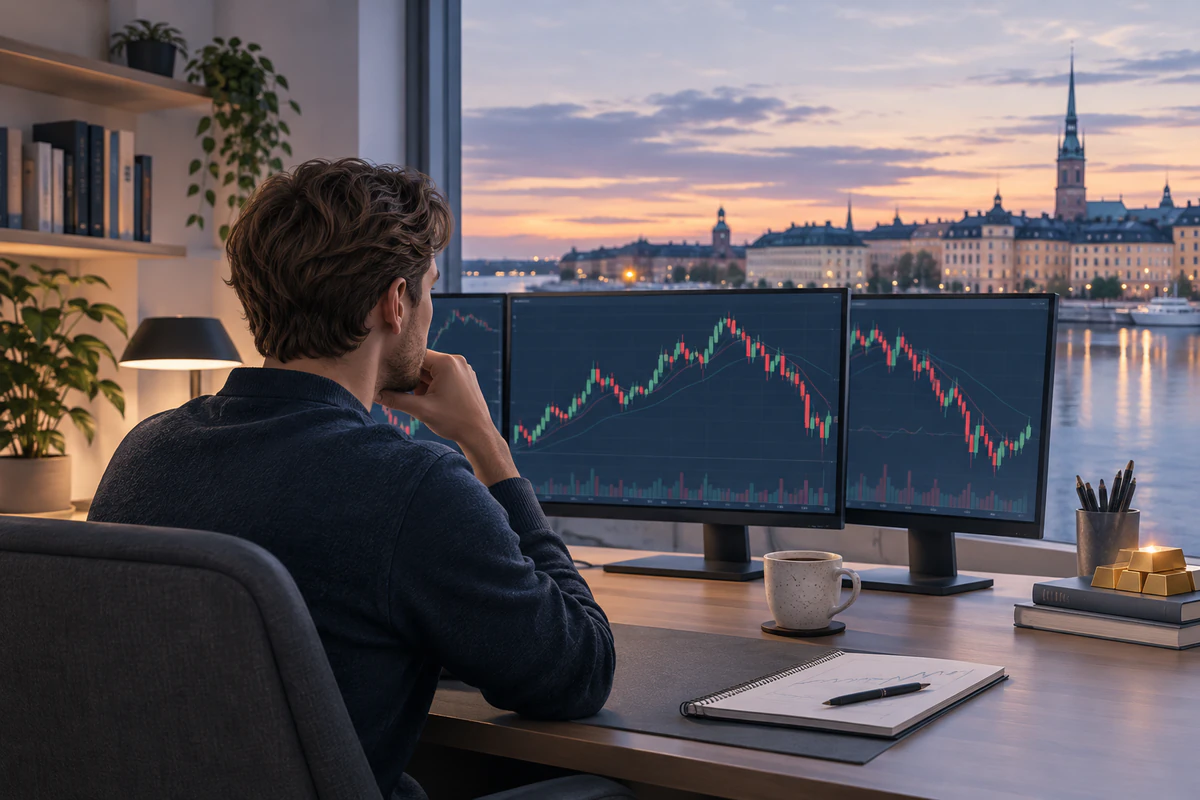
Revenge trading occurs when a trader impulsively tries to quickly recover lost capital after a bad trade, often driven by emotions rather than rational analysis. This behaviour frequently results in even greater losses, negatively affecting both your account balance and trading psychology. Understanding why revenge trading happens and knowing concrete actions to avoid it is essential for your development as a trader and to protect your account.
What is revenge trading?
Revenge trading means acting impulsively after a losing trade in an attempt to win back money quickly. This often involves taking positions with higher risk than usual or trading without following your established strategy. It is characterised by emotional decision-making rather than thoughtful planning. Instead of accepting a loss and thinking long-term, the trader tries to fix the mistake immediately.
A typical scenario is increasing position size considerably after a loss to "make back" the loss faster. However, if the market moves against you further, this can rapidly erode your capital. Revenge trading is closely linked with overtrading — executing too many trades too rapidly, often without proper analysis. For ways to manage this, consider studying risk management and trading psychology.
Why does revenge trading happen?
The main drivers behind revenge trading are emotions such as anger, frustration, and impatience. After a loss, the pressure to compensate quickly mounts, which fuels impulsive decisions. Without a consistent strategy or clear risk management plan, it’s easy to break your own rules and take on bigger risks than intended.
Brain chemistry also plays a role: stress and adrenaline rushes make it difficult to think calmly and logically. Without discipline or time set aside for reflection and recovery after a loss, impulses tend to take over. Having a well-defined trading plan and confidence in your analysis can help you resist emotional urges and avoid snap decisions.
Practical steps to stop revenge trading
- Use a position size calculator to monitor your risk exposure.
- Take an immediate break after a loss. Step away from your screen for at least 30 minutes to recover and calm your emotions before entering a new trade. A walk outside can be beneficial.
- Stick strictly to your trading plan. Write down your rules and ensure that a single loss doesn’t push you into abandoning your strategy impulsively.
- Keep a trading journal. Record your thoughts and feelings with every trade to better spot patterns that lead to impulsive actions.
- Practice separating emotions from decisions. Techniques such as mindfulness or other trading psychology methods can increase your awareness of emotional reactions.
- Use alerts or tools if needed. For example, trading platforms may offer add-ons that warn you about excessive trading, but remember that no tool can replace your own discipline.
Recognising and preventing overtrading
Overtrading is closely connected to revenge trading and usually means executing too many trades without solid analysis, often driven by frustration or stress. Signs include frequently breaking your own rules, feeling pressured, or trading without clear purpose.
To prevent this, decide beforehand how many trades you will take per day and use a checklist for every trade. Learn to recognise the difference between determined trading and impulsiveness. If you catch yourself trading under stress, pause for the remainder of the day. Watching educational videos or courses focused on controlling overtrading can provide useful perspectives and actionable tips.
What can help in the long term?
Building self-discipline is crucial to managing both wins and losses calmly. A consistent trading plan with clear risk management and the use of reliable analysis tools offers a solid foundation to make sound decisions.
Accepting the market’s nature and that losses are unavoidable helps avoid reactive behaviour. Studying trading psychology and setting mental training goals can strengthen your ability to handle stress and unexpected market swings. Additionally, copy trading can be a learning tool—you observe others to understand discipline and process while maintaining control over your own risk levels.
Summary and practical advice
Revenge trading is a common but risky behaviour driven by emotions. By recognising triggers such as anger and impatience, and setting clear rules for stop-loss, breaks, and risk per trade, you can avoid this trap. Using a trading journal to analyse your own patterns, and practising emotional control with trading psychology techniques, supports better decision-making.
Consistently following your trading plan is key to long-term improvement. Tools like position size calculators and analysis software reinforce discipline and reduce impulsive trades. Remember, developing the right mindset takes time, and every trader faces setbacks—the important part is how you handle them.
CFDs and forex are leveraged products with high risk. You can lose money, and this text is for educational purposes only, not personal investment advice.