
Common Beginner Trading Mistakes and How to Avoid Them
Avoiding common beginner trading mistakes is crucial for those new to trading. Here are practical tips on what to watch out for and ways to improve your trading results.
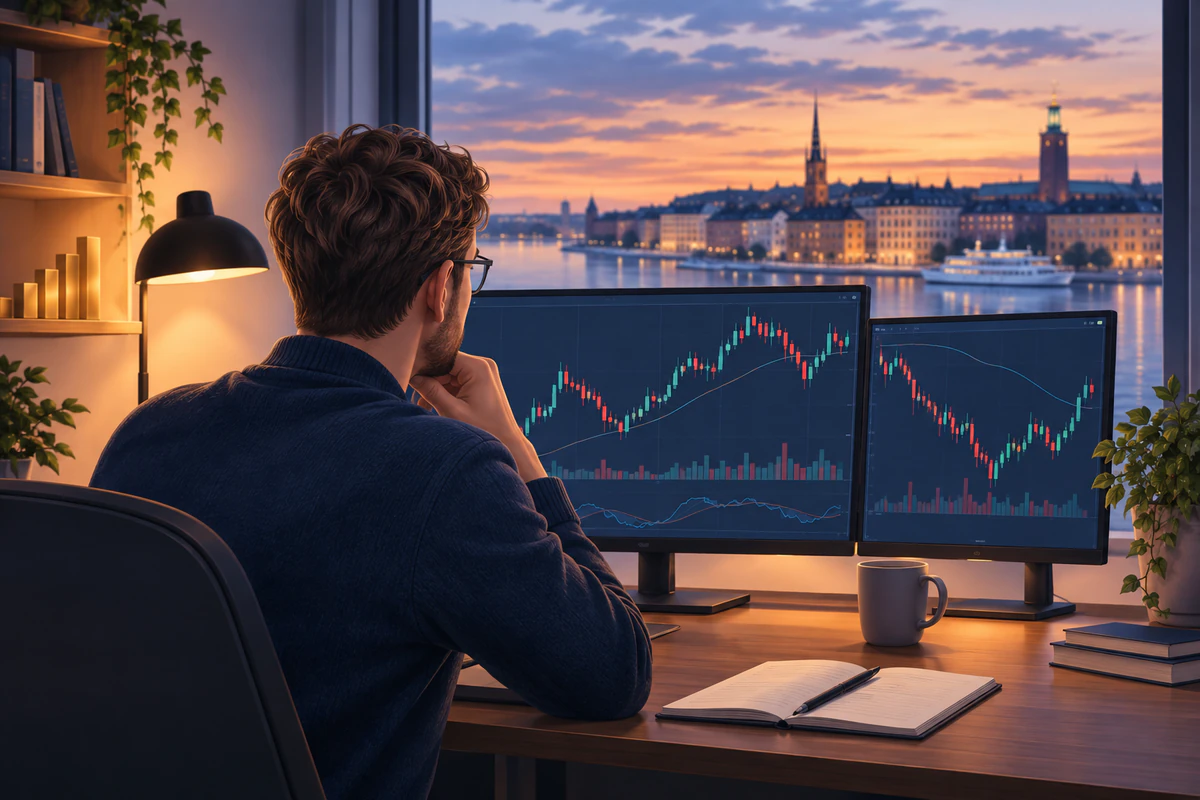
Starting out in trading can feel exciting but also challenging. Many beginners make the same mistakes, which are easy to avoid with the right knowledge and strategy. By understanding these common pitfalls and how to prevent them, you increase your chances of becoming a more consistent trader.
Common beginner trading mistakes
Many newcomers have unrealistic expectations about trading, often thinking it’s a quick way to make money or that they need to trade many times daily to succeed. In reality, it’s the quality, not the quantity, of your trades that matters. Trading too frequently can cause stress and hasty decisions. To get off on the right foot, it’s recommended to start with solid education in market analysis and risk management. Several Swedish and international providers offer online courses that can help build a strong foundation. It’s also important to understand the differences between trading styles such as day trading, swing trading, and position trading, as well as basic concepts like spread, leverage, and margin before you begin. Gaining this foundation helps you avoid common misunderstandings.
Poor risk management
Keeping control of risk is one of the most important factors for protecting your capital. A common challenge for beginners is underestimating the risks in each trade, which can lead to bigger losses than intended. You can handle this by using simple methods to estimate a suitable position size based on your acceptable risk level per trade. However, it’s essential to know that this is just a tool, and understanding the principles of risk management is necessary for making well-informed decisions. Always use a stop-loss to limit potential losses and aim for a risk/reward ratio that allows for better gains than losses, for example at least 1:2. Additionally, diversification — spreading your investments across different markets and instruments — helps avoid concentrating all your risks in one position.
Insufficient analysis and preparation
Without thorough analysis, the risk of poor trading decisions and unwanted losses increases. It’s therefore vital to combine technical analysis — such as identifying support and resistance levels, trend lines, and patterns like head and shoulders — with fundamental analysis, where economic news and central bank decisions play a major role. Especially important for Nordic traders are decisions from the Riksbank and Norges Bank, as these affect the Swedish krona and Norwegian krone, with potential ripple effects on other markets. Use economic calendars and news scanners to stay updated and avoid surprises from major events. Having a clear plan for each trade, including defined entry points, stop-loss levels, and profit targets, helps maintain discipline.
Ignoring trading psychology
Trading is not just about technique and analysis but also about managing your own emotions. Fear, greed, and frustration can influence decisions, leading to impulsive trades and excessive risk-taking. Keeping a trading journal is an effective way to understand your own patterns and emotional responses, making it easier to handle stress and develop improved habits. Always follow your trading plan and accept that losses are a natural part of trading. Techniques such as breathing exercises and regular breaks can help maintain focus and keep emotions in check. Many traders also benefit from mental training to strengthen their psychological resilience and discipline.
Overtrading and wrong time focus
It’s common for beginners to believe they must make many trades daily to succeed, often resulting in overtrading. This habit can reduce result quality and increase stress. Instead, practise waiting until your specific criteria and signals set out in your strategy are truly met before opening a position. Use a checklist for your trading and set limits on the number of trades to ensure each trade is based on careful evaluation. Adjusting your time focus and trading volume can improve your approach.
Not making enough use of tools and resources
Effectively using available tools can improve both your structure and information handling in trading. Position size calculations and trading journals are especially useful for risk control and keeping track of your progress. Backtesting — trying strategies on historical data — is also important for understanding how a method might perform under different market conditions. Market scanners can help you find interesting trades without manual searching, saving time and effort. Always test new strategies in a demo environment before trading with real money. Choose trading platforms that offer these tools and invest time in learning their features well. Such resources can significantly enhance the quality of your decisions.
Frequently asked questions
What is the most common mistake among beginner traders?
The most common mistake is underestimating risk management and trading too much without proper analysis, often leading to unnecessary losses and stress.
How can I improve my trading psychology?
By keeping a trading journal, following a clear plan, and accepting losses as part of the process, you can develop better emotional control and patience.
Should I trade every day to succeed?
No, the key is to make well-informed trades based on strategy and analysis, not to trade actively or frequently without quality.
What tools are important for beginners to use?
Position size calculators, technical analysis, and a trading journal are fundamental aids for making informed decisions.
Risk warning
CFDs and forex involve high risk due to leverage, which can amplify both gains and losses. It is possible to lose the entire amount you invest and more. The information provided here is educational and does not constitute personal financial advice or recommendations. Consider carefully whether trading suits your personal situation, and seek professional advice if needed. Always think through the risks before trading.
Sources: borssmart.se, instagram.com